
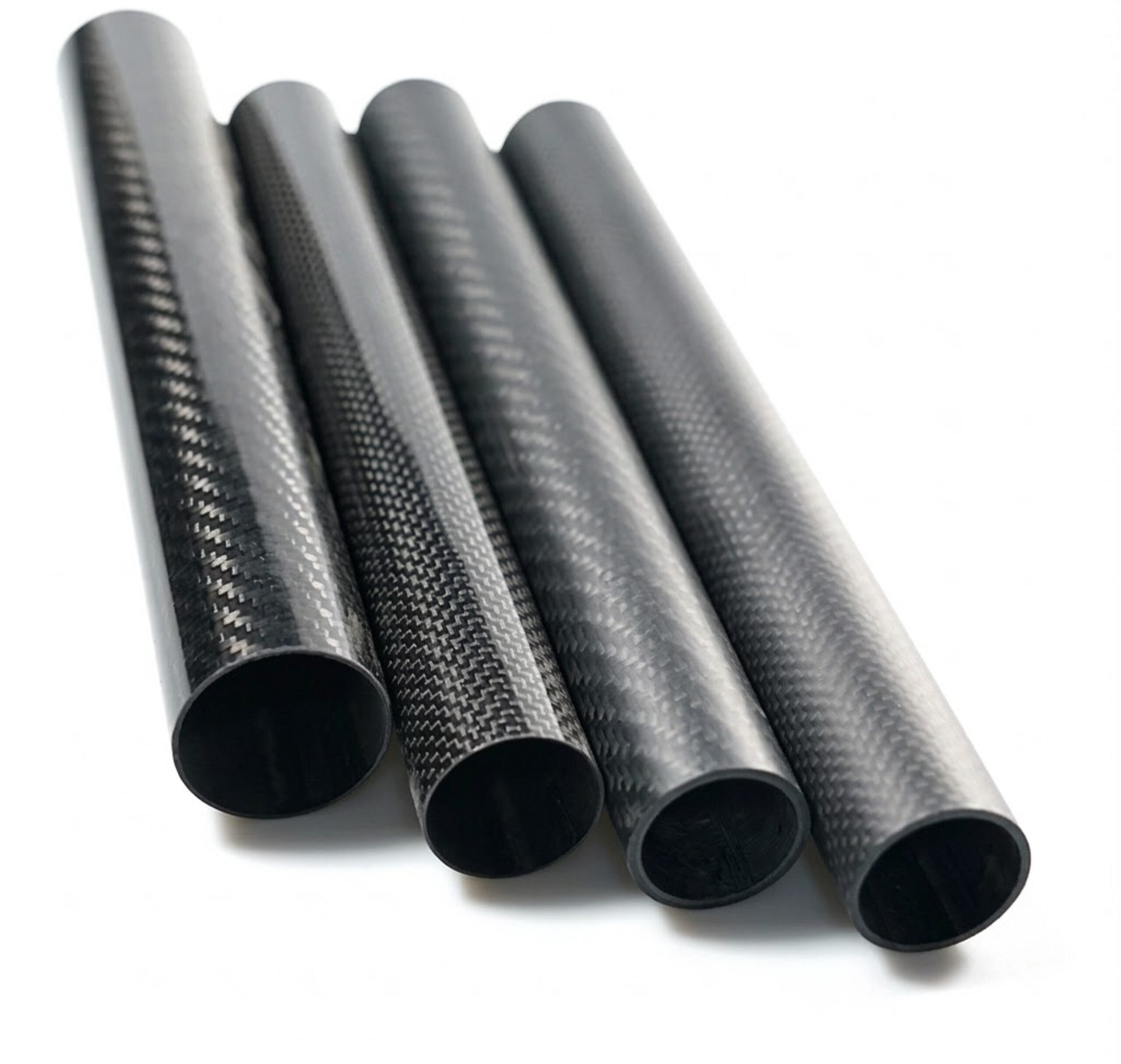
Prepreg carbon fiber tubes provide high specific stiffness at a fraction of the weight of conventional aluminium or steel tubes. This makes them suitable for drone arms, aerospace frames, robotic linkages, and lightweight structural applications where reducing weight without compromising stiffness is critical.
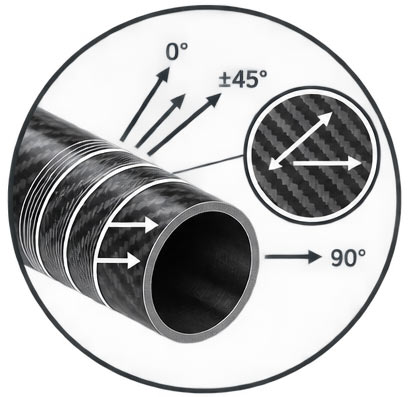
Each prepreg ply can be positioned at a specific angle to optimize performance for axial, bending, torsional, hoop, or combined loads. Unidirectional carbon fiber tubes maximize axial stiffness, while multi-directional layups provide a balance of bending and torsional performance.
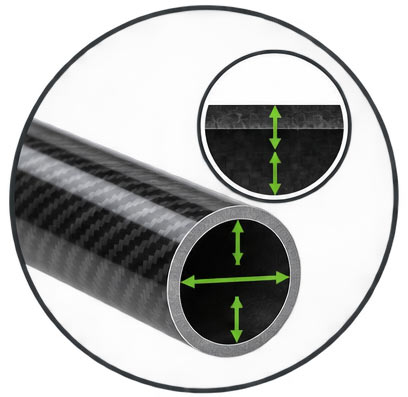
The controlled prepreg layup process produces a highly uniform laminate with consistent mechanical properties throughout the tube. This supports predictable compression, bending, and shear performance across production runs.
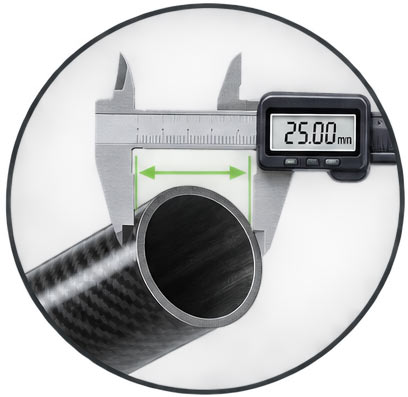
Accurate carbon fiber tube OD and ID tolerances make these tubes suitable for press-fit assemblies, telescopic systems, precision instrument housings, and applications where dimensional repeatability is essential.
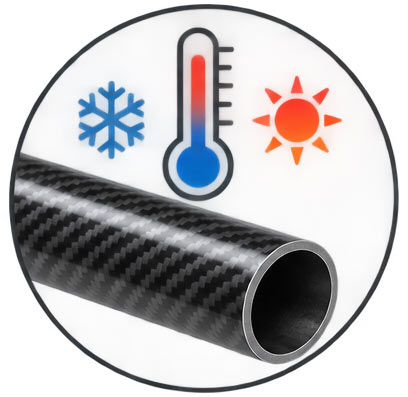
With a coefficient of thermal expansion (CTE) of approximately 2 × 10⁻⁶/°C, prepreg carbon fiber tubes offer excellent dimensional stability during temperature changes. This is particularly valuable for aerospace, optical, and metrology applications.
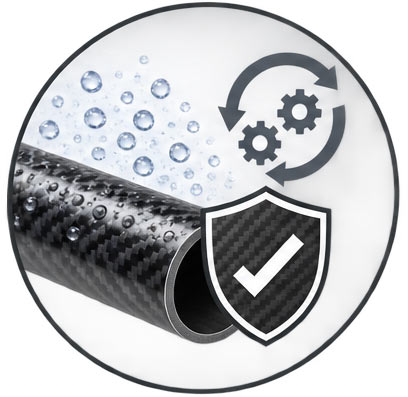
Carbon fiber composite offers inherent corrosion and fatigue resistance, making lightweight structural tubes suitable for outdoor, marine, chemical, and high-cycle applications without conventional metal corrosion protection.
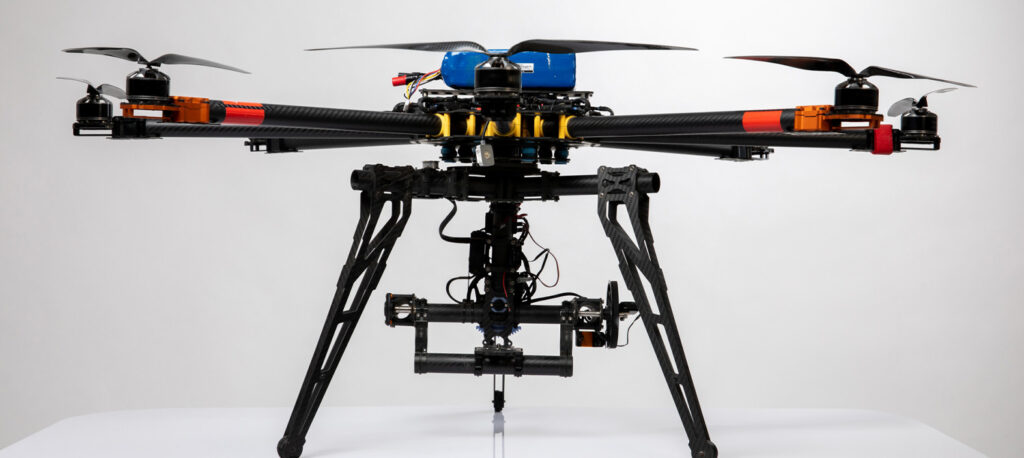
Carbon fiber tubes for drones and UAVs are used for airframe booms, drone arms, motor arms, and payload supports where low weight and high rigidity can improve flight performance and payload capacity.

Aerospace-grade carbon fiber tubes are used in structural members, antenna supports, optical assemblies, and UAV airframes requiring low weight, dimensional stability, and long-term reliability.
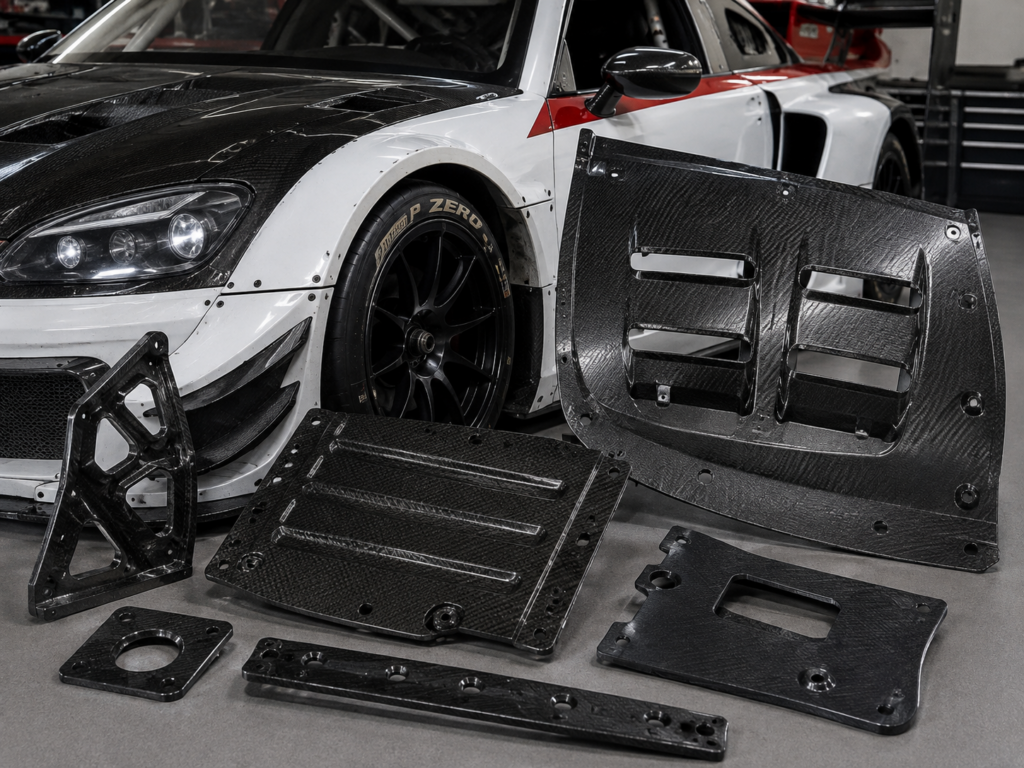
Carbon fiber tubes for motorsport can be used in chassis structures, driveshafts, structural reinforcements, and other lightweight applications where stiffness and weight reduction are important.
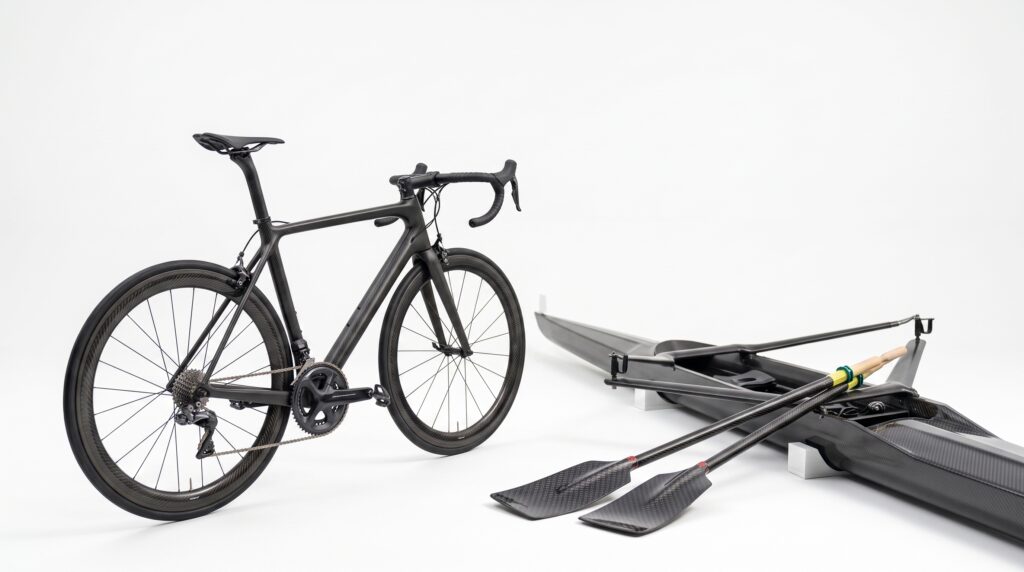
Carbon fiber tubes are used in telescopic poles, bicycle components, fishing rods, kite frames, and paddle shafts where high strength-to-weight ratio and outdoor durability are required.
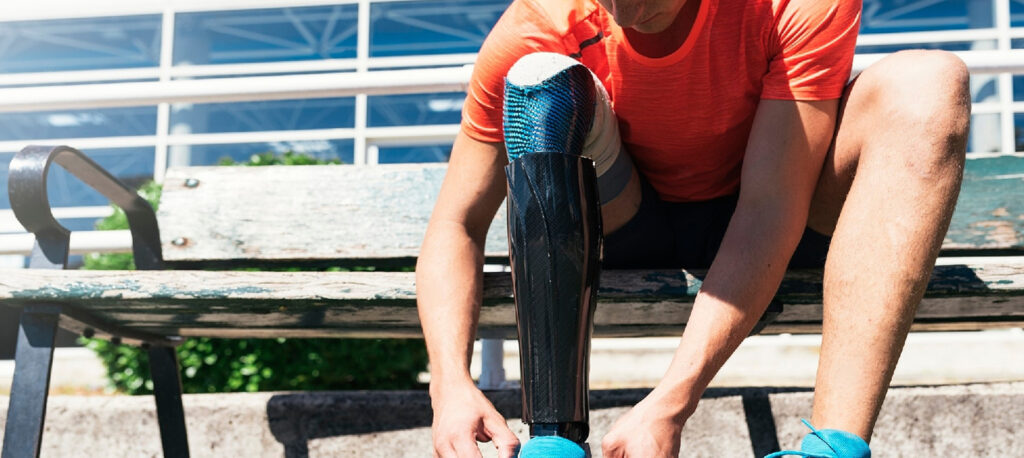
Carbon fiber medical components can provide lightweight structural support for rehabilitation equipment, imaging structures, and orthopedic fixtures where low weight and radiolucency are valuable.
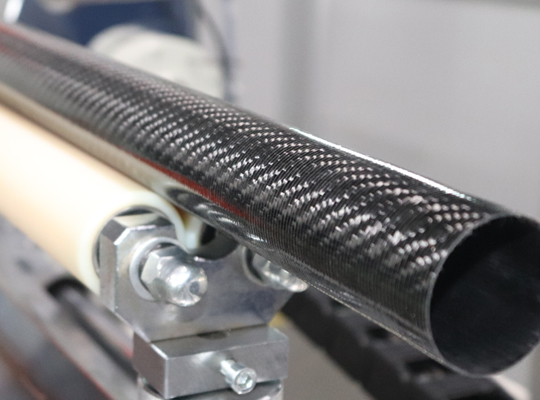
Applications include carbon fiber industrial rollers, precision measurement equipment, camera crane arms, and vibration-sensitive equipment where stiffness, dimensional stability, and corrosion resistance are important.