
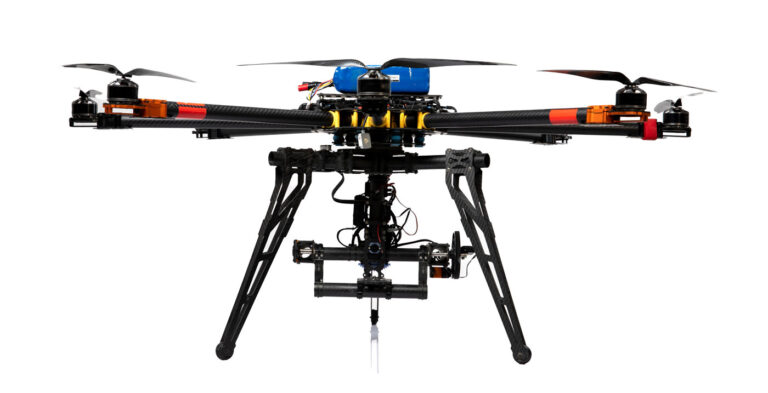
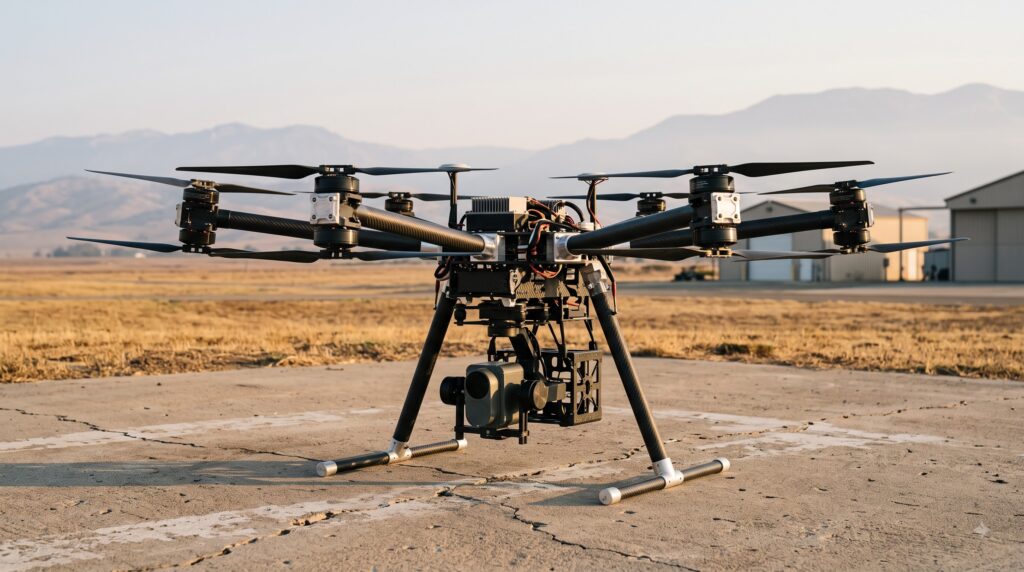
In defence, weight is an important decision. Every kilogram added to a soldier's load reduces operational range and effectiveness. Every kilogram added to a UAV reduces payload, endurance, or both. Every kilogram added to a vehicle structure has to be offset somewhere else in the design. CFRP structural parts typically come in 40 to 60 percent lighter than aluminium equivalents at equivalent or superior strength. That isn't marginal. On man-portable platforms or long-endurance UAVs, it changes what the system can do.
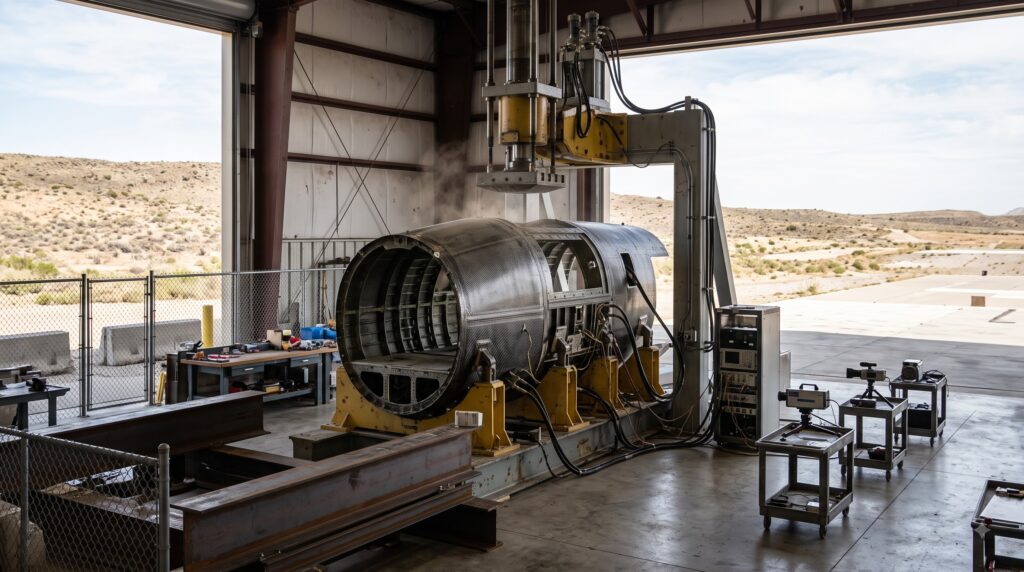
Defence structures encounter loading that most commercial applications never see. Blast events, hard landings, high-G manoeuvres, and ballistic threats all impose dynamic loads that materials need to handle without catastrophic failure. CFRP laminates, when correctly designed, absorb and distribute energy in ways that metals do not. This makes them useful not just for weight-critical structures but for components that need to survive high-energy events without fragmenting or propagating cracks.
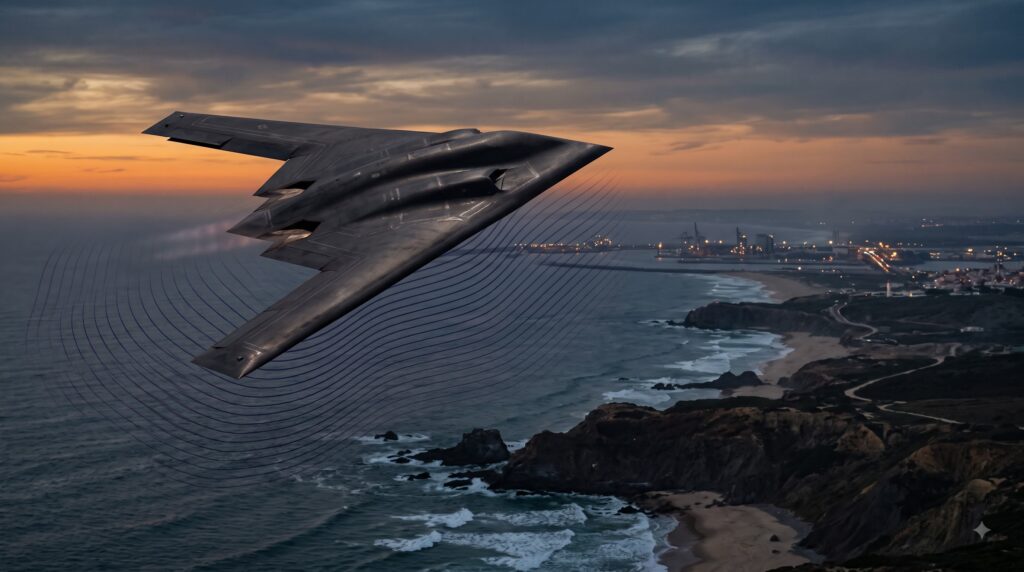
Carbon fiber is electrically conductive and, depending on layup and geometry, can contribute to radar cross-section management in ways that metals cannot. For platforms where signature control is a design consideration, stealth UAVs, antenna housings, and structural fairings, the electromagnetic properties of CFRP are worth engineering around. This is an area where the material choice itself becomes a performance input, not just a structural one.
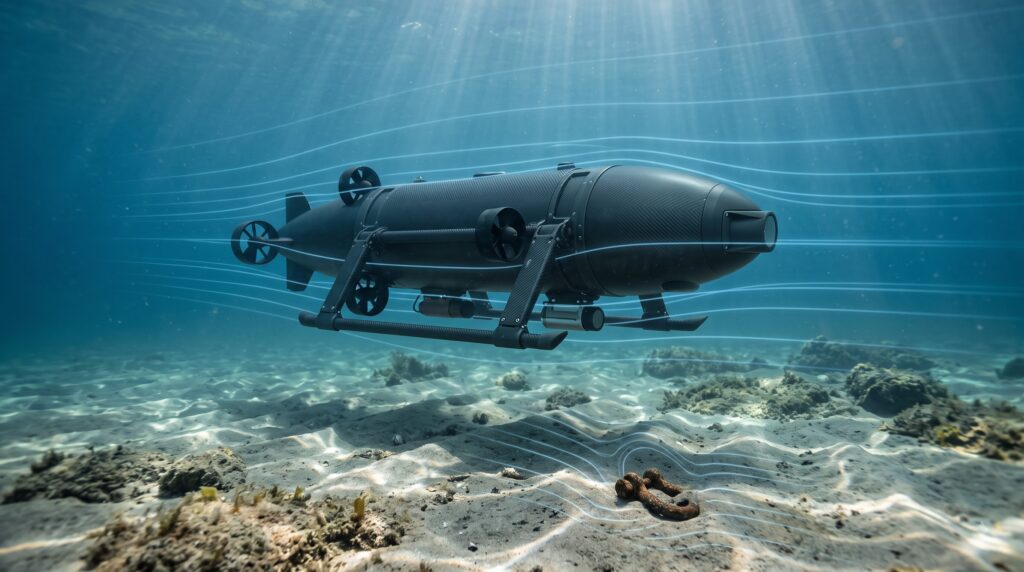
Unlike steel and other ferrous materials, carbon fiber composites carry essentially no magnetic signature. For applications like mine countermeasure systems, undersea vehicles, or sensitive electronic payloads mounted on structural frames, this matters.
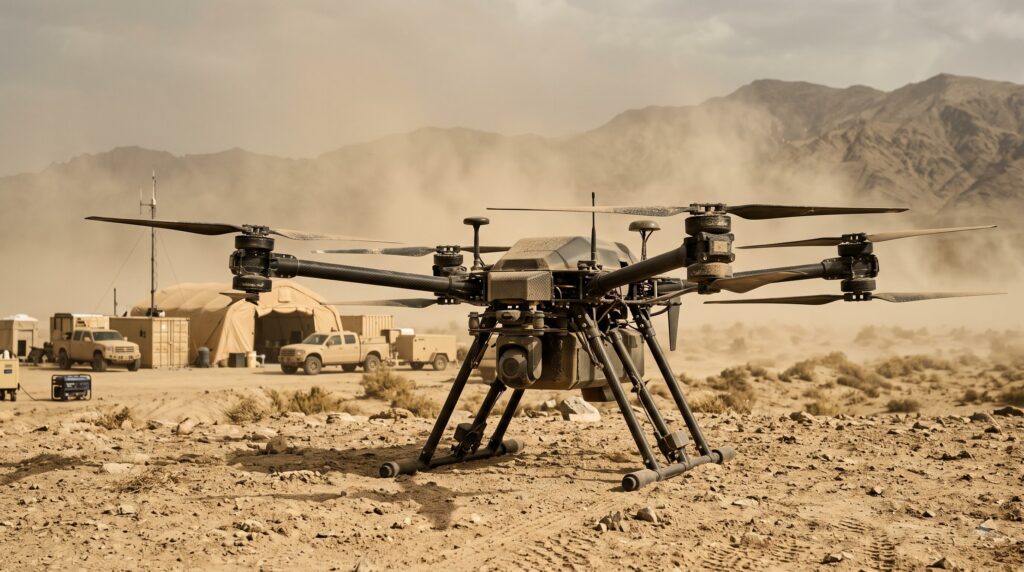
Defence equipment operates in environments that would accelerate corrosion in aluminium and steel: coastal and maritime deployments, desert dust, tropical humidity, chemical exposure. Carbon fiber doesn't corrode. It doesn't oxidise. A CFRP structural component in a maritime patrol UAV will not degrade the way a comparable metal part would over a multi-year service cycle.
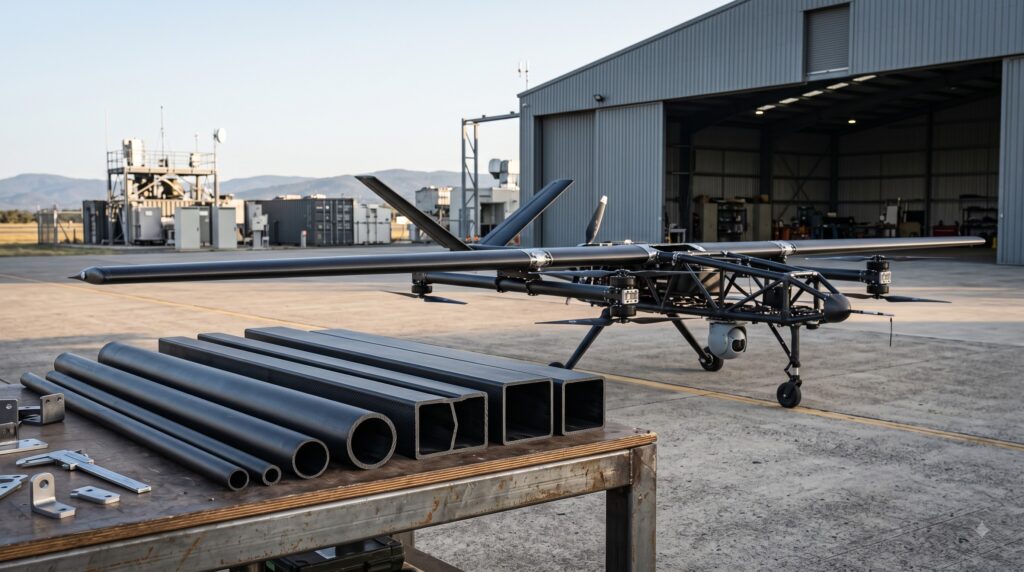
High-Performance CFRP Tubes for UAV Structural Applications
Structural tubes are the backbone of most UAV airframes. They form the arms, booms, fuselage sections, and landing gear struts that everything else attaches to. Our prepreg round and square CFRP tubes are manufactured in consistent batches with tight dimensional tolerances. For defence UAV programmes that require identical performance across multiple units and multiple production runs, we supply products that perform the same way every time.
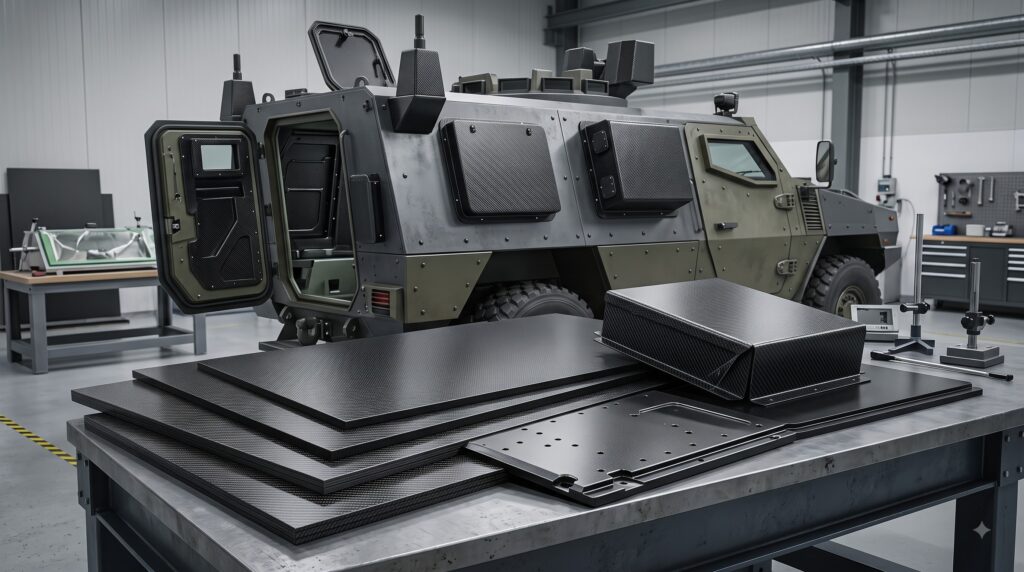
CFRP Sheets and Laminates for Armoured Vehicle Panels and Enclosures
Composite panels are increasingly used in armoured vehicle programmes for non-structural secondary panels, electronics enclosures, antenna housings, and interior systems where weight reduction contributes to vehicle mobility. We supply standard and intermediate modulus carbon fiber sheets and laminates with the option to specify layup orientation for directional stiffness. Custom thickness and panel dimensions are available.
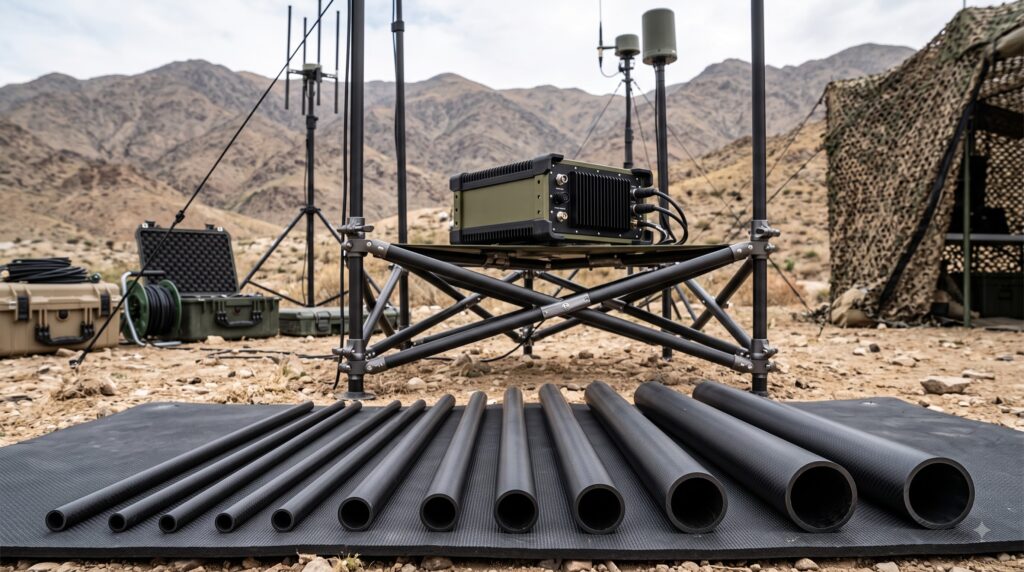
Carbon Fiber Rods for Man-Portable and Soldier System Applications
Soldier-worn and soldier-carried systems, exoskeletons, weapon system components, antenna poles, shelter frames, and load-bearing struts benefit from pultruded carbon fiber rods that offer very high axial stiffness at minimal weight. We manufacture CFRP rods in a range of diameters with consistent cross-sections and tight OD tolerances, suitable for use as structural members in systems where both weight and reliability are critical.
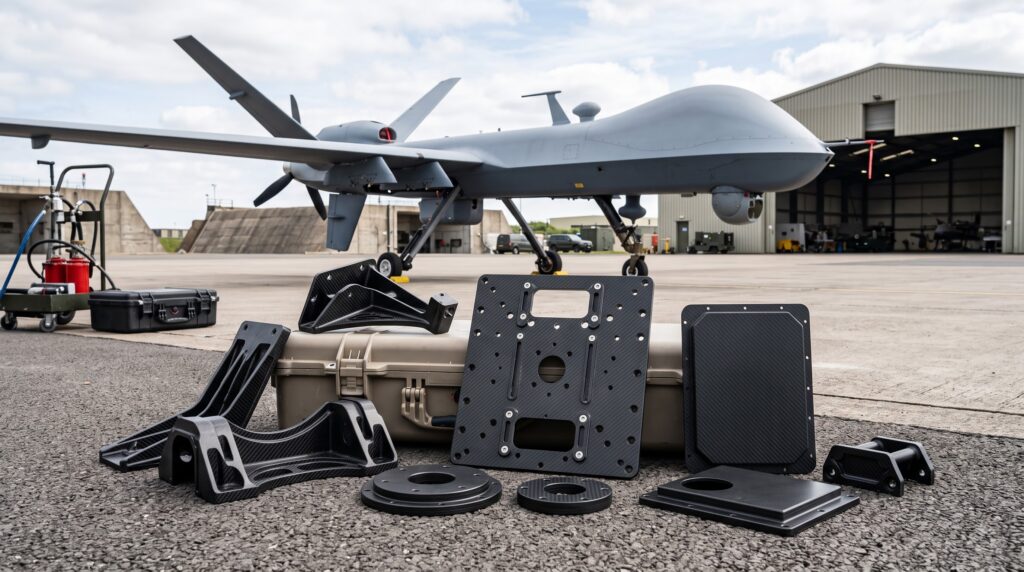
CNC Machined CFRP Components and Structural Hardware
Many defence assemblies require components that cannot be produced through standard extrusion or lamination: custom brackets, mounting plates, equipment housings, rib profiles, and connectors machined to engineering drawings. We machine these from solid CFRP sheet or laminate stock, holding consistent tolerances with clean edge quality. If you have a drawing, we can produce to it.
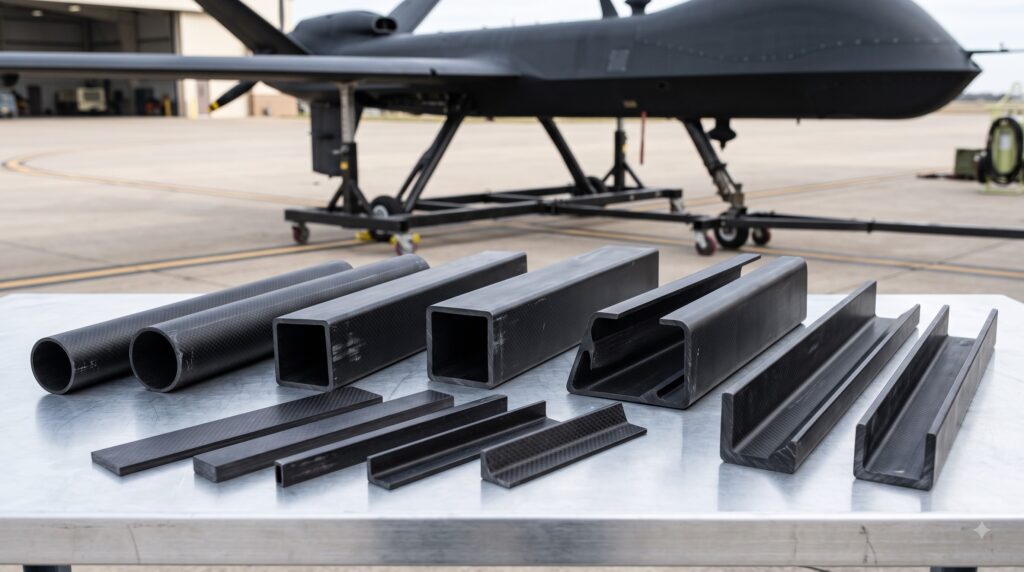
Structural Profiles and Custom Section Parts
We also supply structural profiles beyond round and square tubes including flat bar, angle section, and custom cross-sections for specialist applications. Where standard profiles don't fit the design requirement, we discuss custom manufacturing options.