

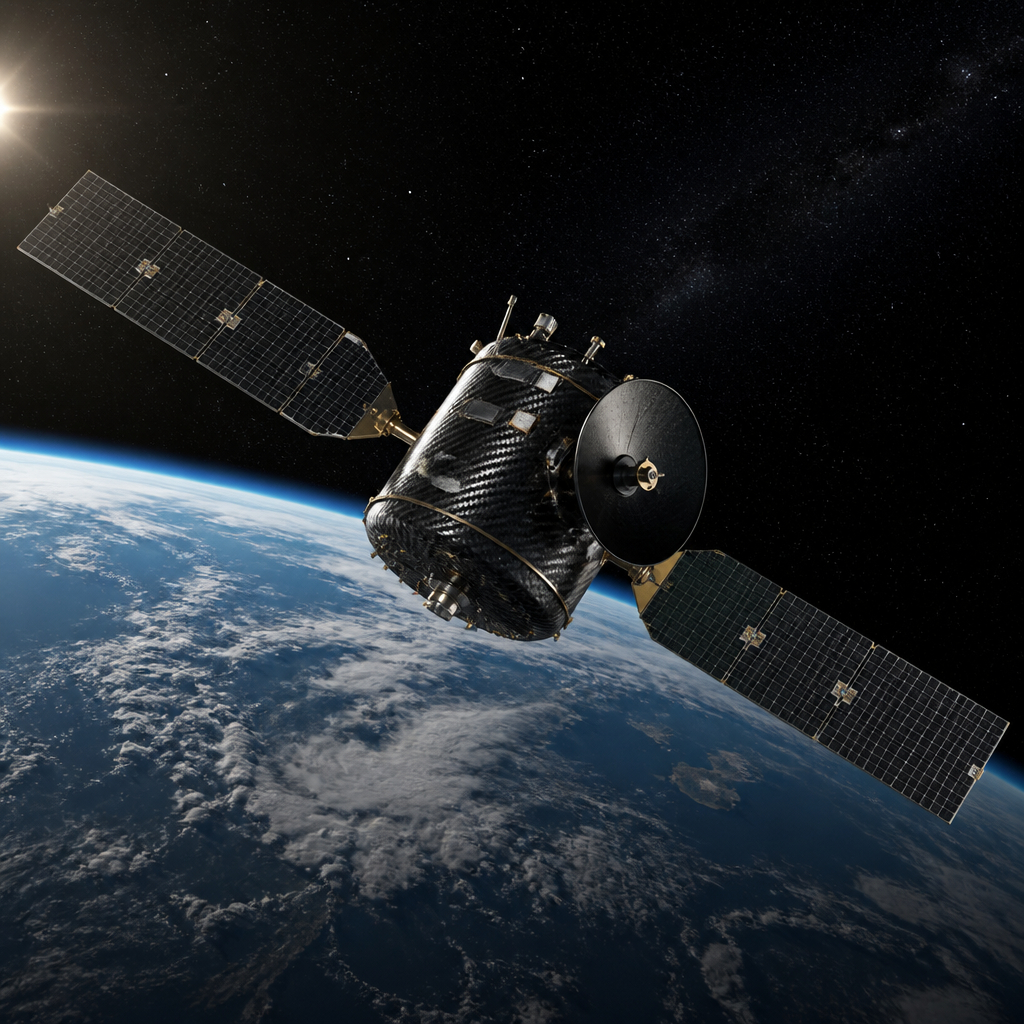
Launch cost per kilogram hasn't come down as fast as the industry hoped. Every kilogram removed from the structure is a kilogram that can go toward more payload, more propellant, or a longer mission life. CFRP typically saves 40–70% of the mass versus aluminium for equivalent structural performance. That's not marginal — it changes mission economics.
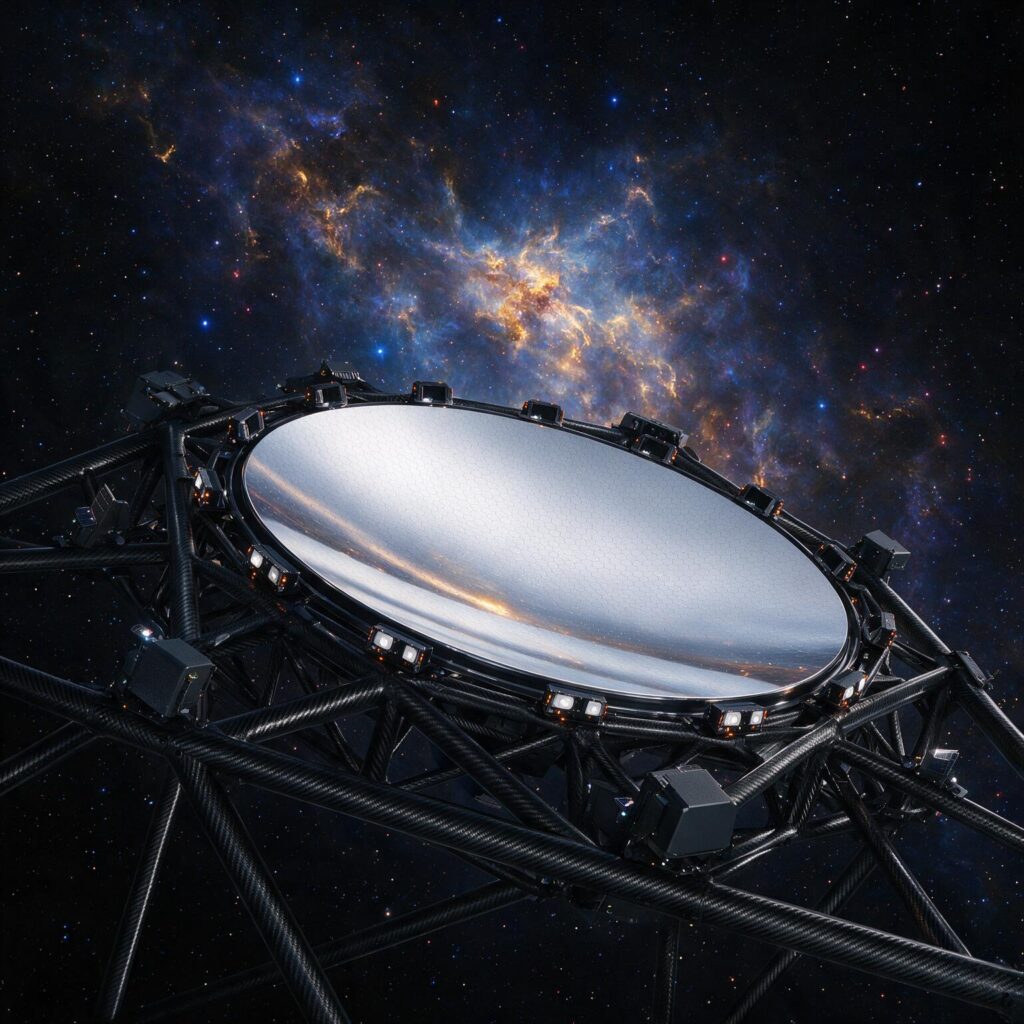
If a telescope mirror is mounted to a structure that expands and contracts at a different rate than the mirror itself, alignment shifts with temperature. In ground-based instruments, you can compensate. In orbit, you can't. Carbon fiber composites can be engineered with a CTE that closely matches the mirror substrate material — often near zero — maintaining alignment through the full thermal cycle.

Solar panels, antenna booms, and deployable appendages need to be both stiff and light. A flexible boom means pointing errors for antennas. A flexible solar panel substrate leads to orientation shifts that affect power generation. Carbon fiber's high specific modulus solves both problems efficiently.
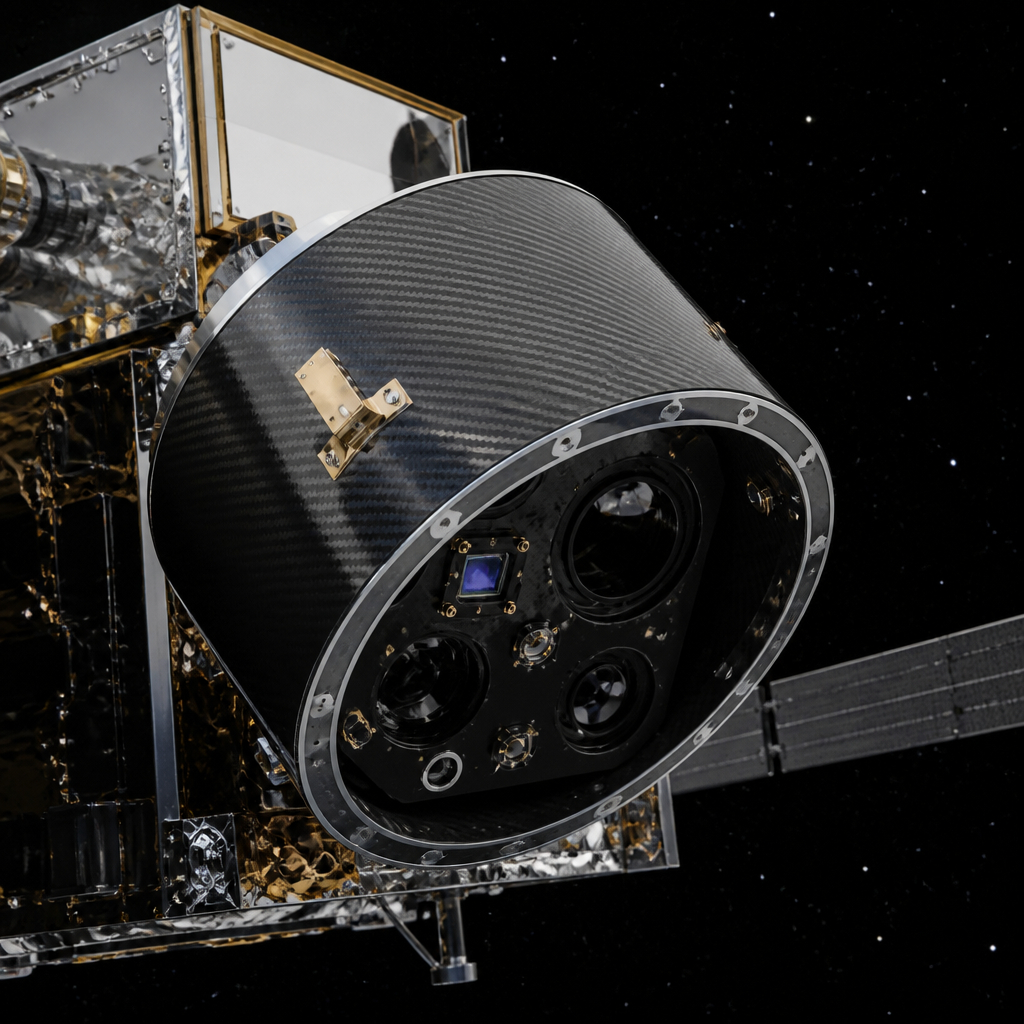
In a vacuum, any material that releases volatiles can contaminate nearby optical surfaces or sensors. Properly selected and processed carbon fiber composites have low outgassing characteristics. This isn't something every composites supplier thinks about — it's something space applications demand.
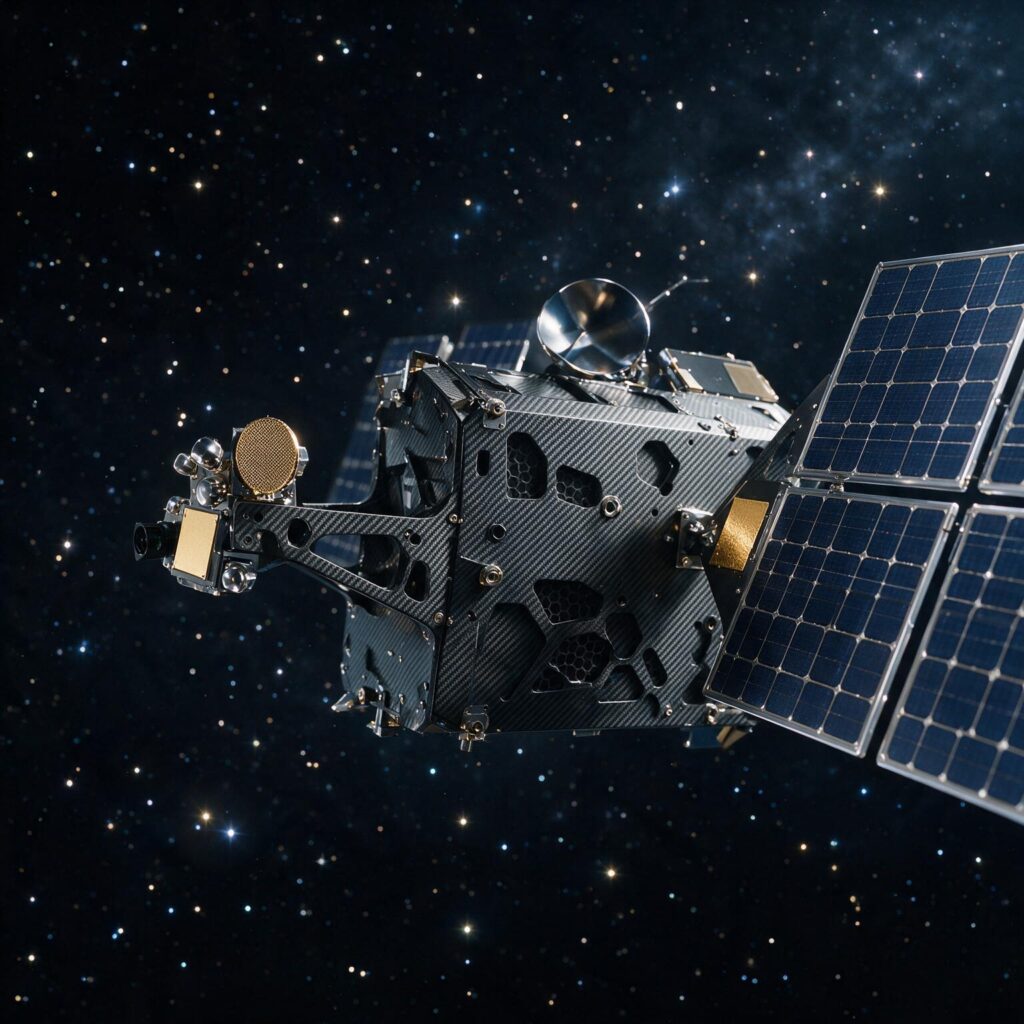
Launch vibration is violent. Carbon fiber's combination of stiffness, damping, and fatigue resistance means structures survive the trip in the same condition they left the ground.
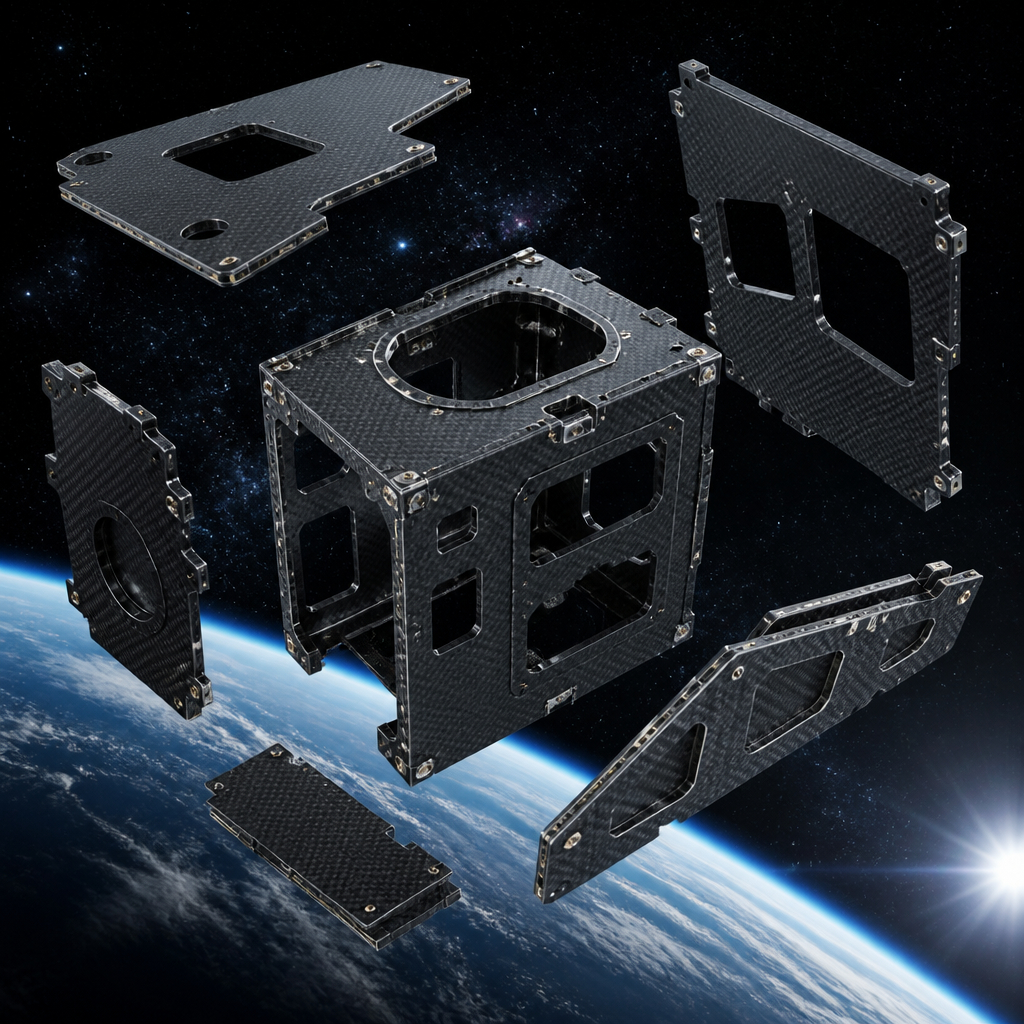
Satellite Bus Structural Panels
The structural panels that make up a satellite bus — inter-deck panels, side walls, mounting boards — are often manufactured from CFRP laminates or carbon fiber-skinned sandwich structures. We supply carbon fiber sheets and laminates in the thicknesses and modulus options relevant to satellite primary structure, with controlled fiber orientation for directional stiffness and documented thermal properties.
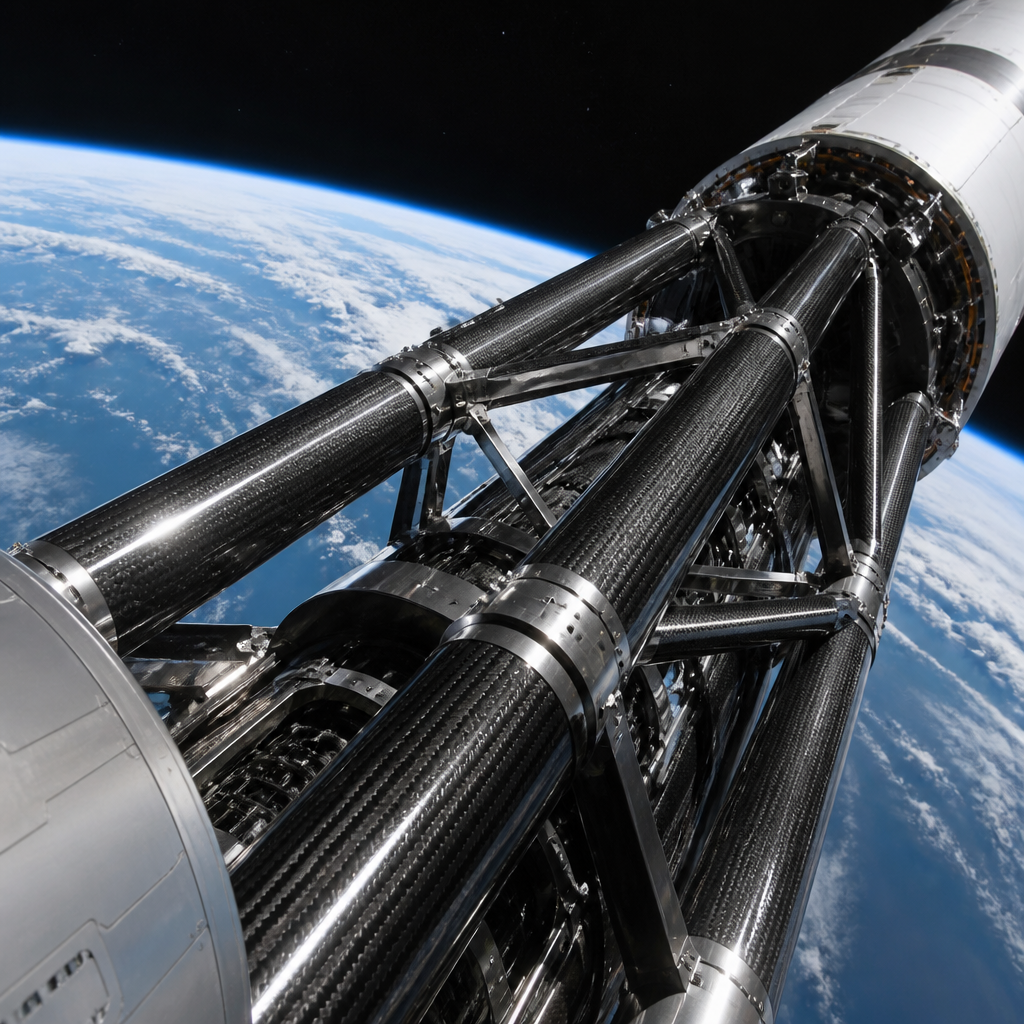
Carbon Fiber Boom and Structural Tubes
Deployable booms, inter-stage tubes, and internal structural members in satellite frames all rely on carbon fiber tubes that are light, stiff, dimensionally precise, and thermally stable. Our prepreg round tubes are manufactured to tight tolerances on both inner and outer diameter, with roundness and straightness specifications suitable for structural assembly. We work with customers who need consistent geometry across multiple tubes for a frame assembly.
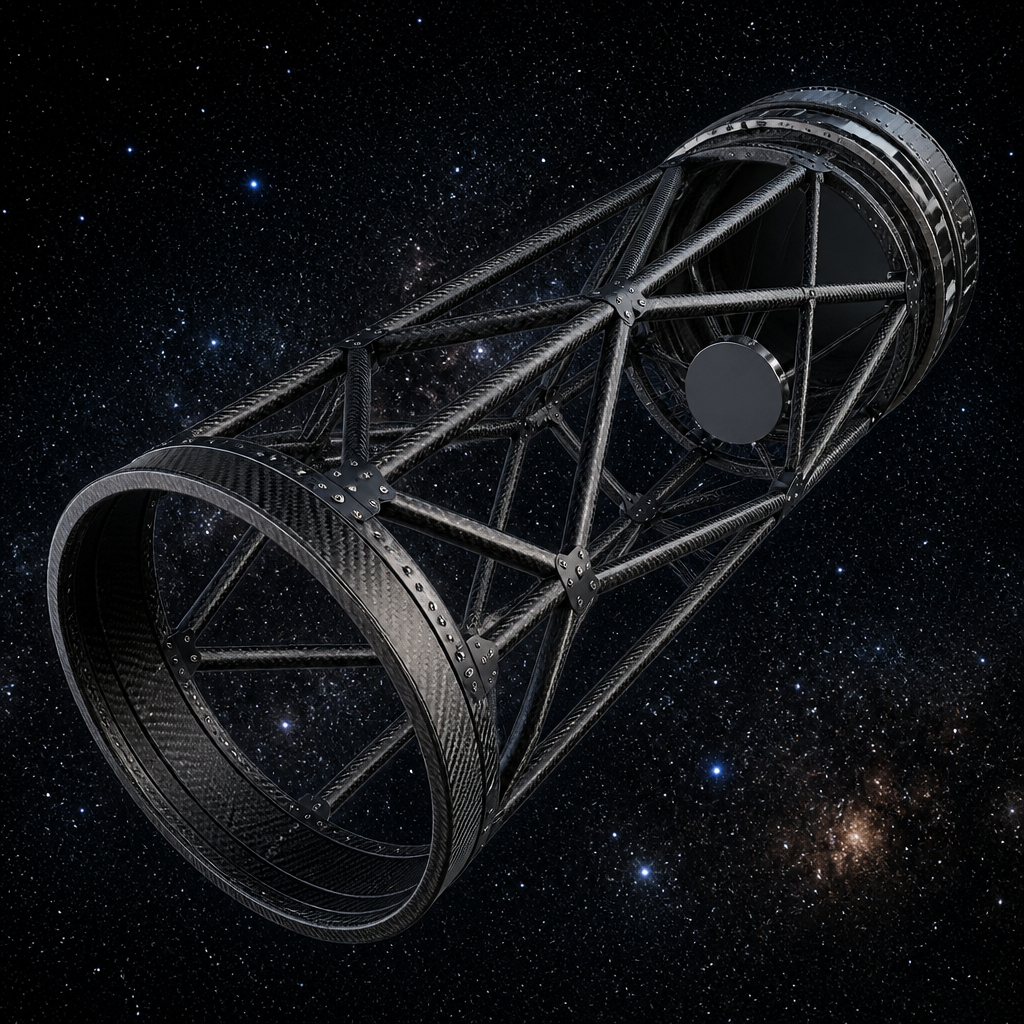
Telescope and Optical Instrument Structures
Optical instruments are where CTE management becomes critical. Telescope tube structures, instrument mounting frames, and optical bench assemblies need carbon fiber composites designed specifically for dimensional stability with temperature. We supply structural tubes and machined CFRP components for telescope and imaging applications, and we can discuss specific CTE requirements with your optical design team.
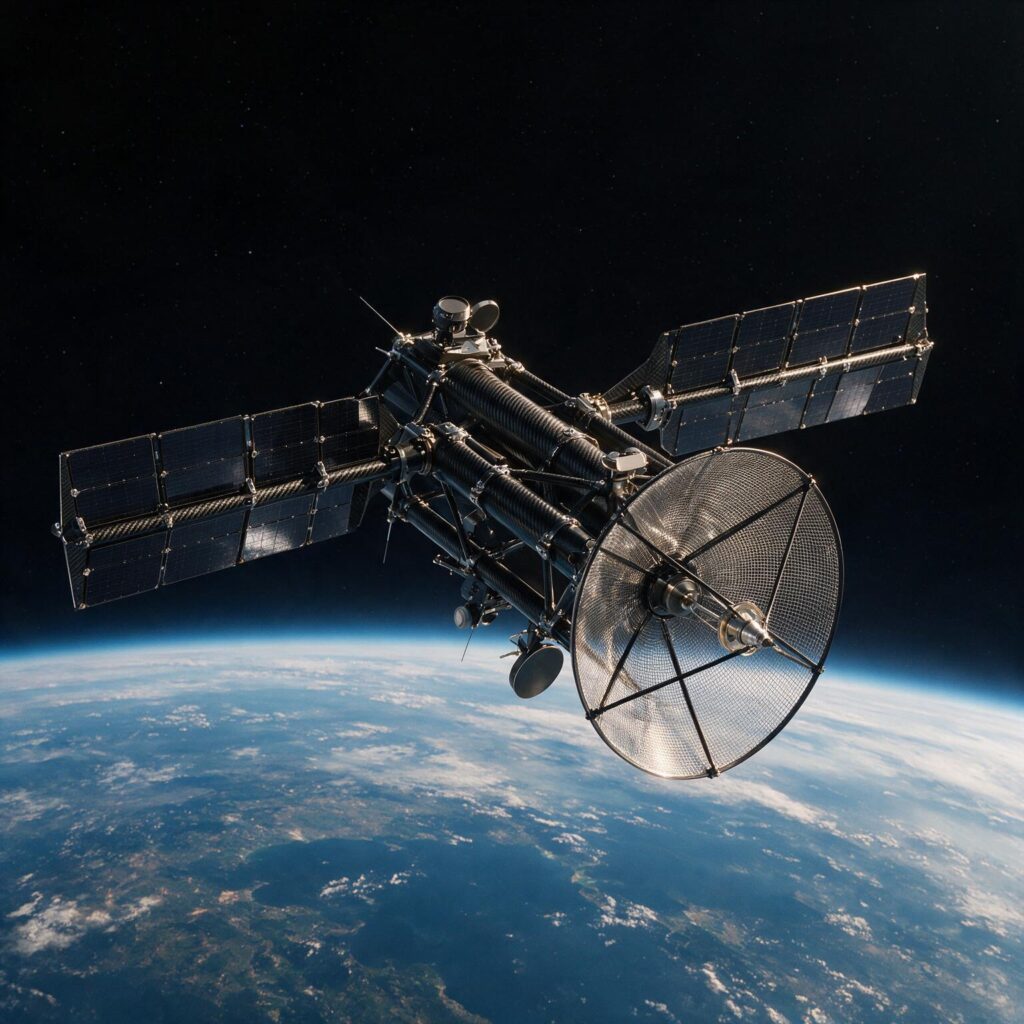
CubeSat Structural Components
The CubeSat ecosystem has created real demand for small-format carbon fiber structural parts — panels, frames, and machined elements for 1U through 6U configurations. Mass budgets on CubeSats are tight, and CFRP is often the only material that gets the structure within budget while surviving launch loads. We supply sheet stock, structural tubes, and custom-machined CubeSat panels, including for academic institutions and commercial small satellite programmes.
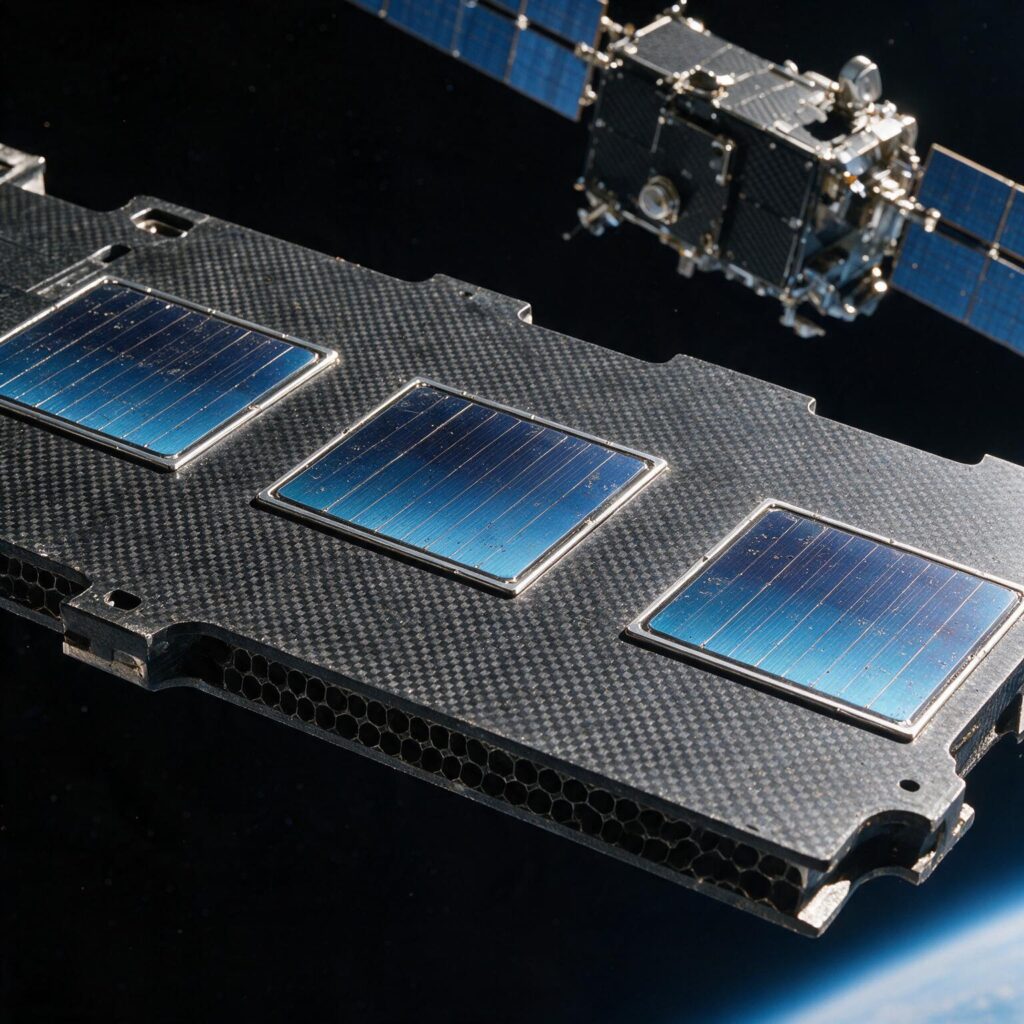
Solar Panel Substrates
Solar array substrates need to be flat, stiff, and dimensionally stable through thermal cycling — while being as light as possible to reduce deployment mechanism loads. Carbon fiber face sheets over lightweight core materials are the standard approach. Our carbon fiber laminates are designed for this type of application, with the flatness and surface quality that solar cell bonding requires.
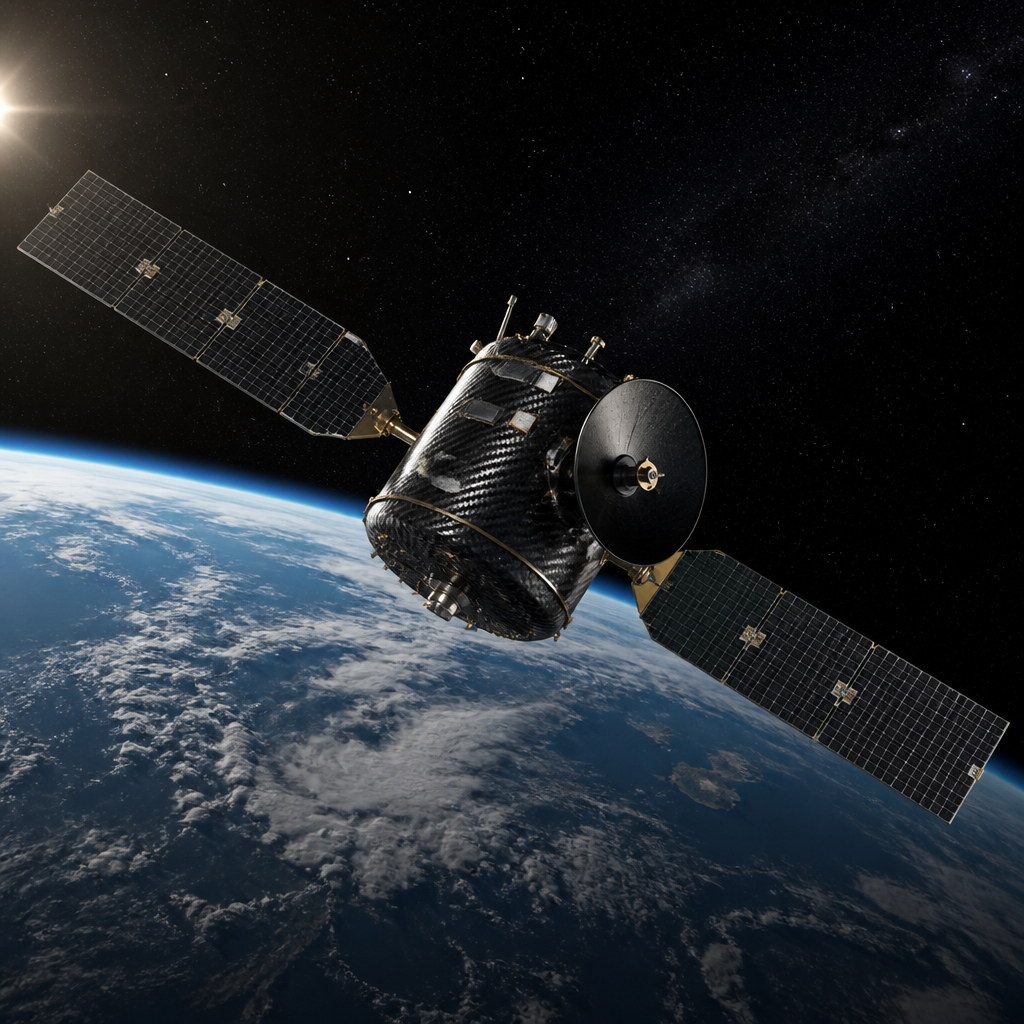
Pultruded CFRP Rods for Space Frames and Truss Structures
Space frames and truss assemblies in larger satellites use slender, high-stiffness members in compression and tension. Our pultruded carbon fiber rods offer the axial stiffness and compressive strength these applications need, in a minimal cross-section. They're used in antenna backup structures, solar array support frames, and instrument truss assemblies.